Books & Resources for Raising Emotionally Confident Kids
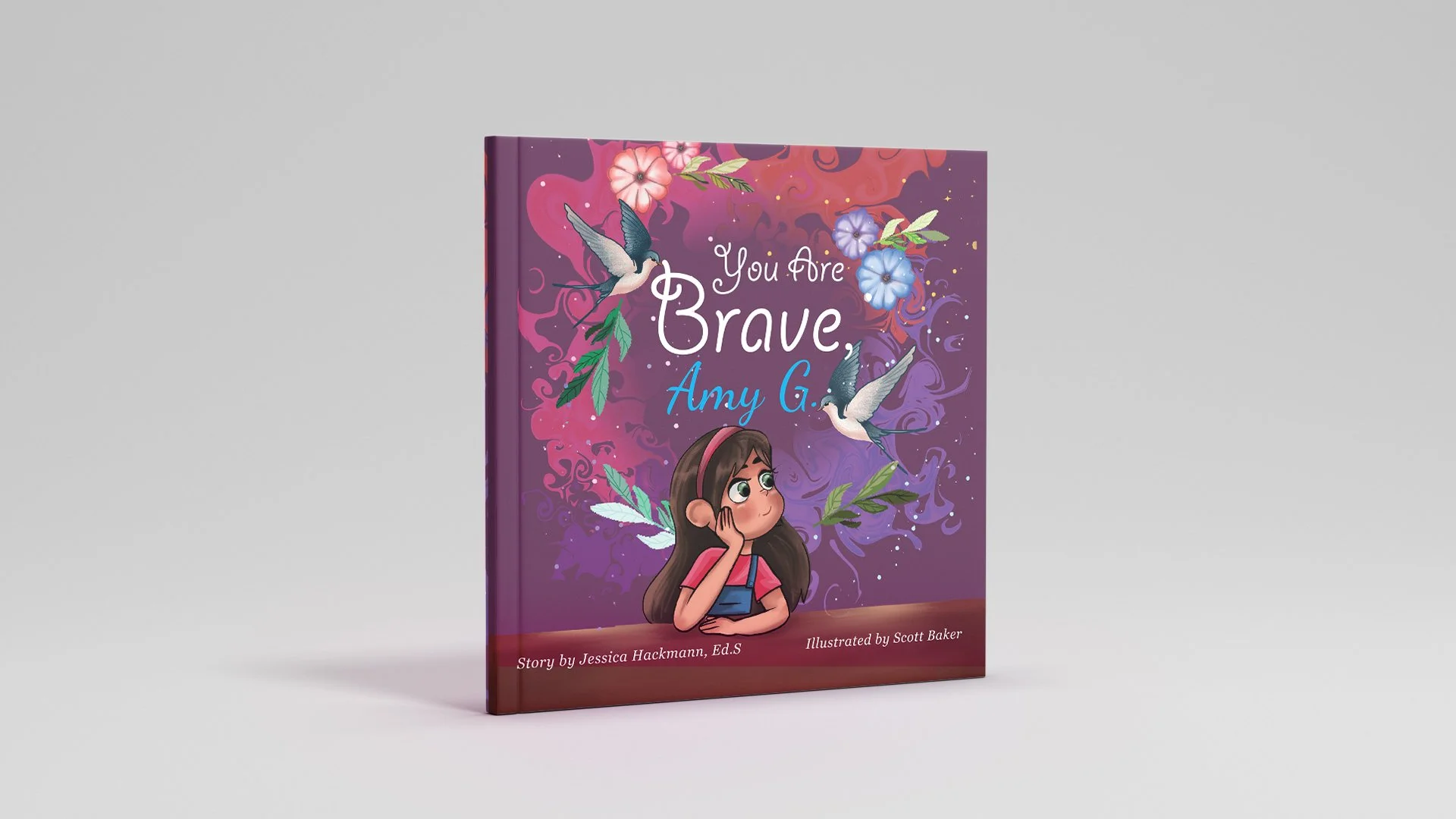
Whether you’re a parent looking for a children’s book about emotions, an educator searching for social-emotional learning resources, or a therapist building a toolkit for emotional regulation activities for kids, you’re in the right place. Each resource below is grounded in brain-based learning and designed to help children understand their feelings and develop the skills to manage big emotions.
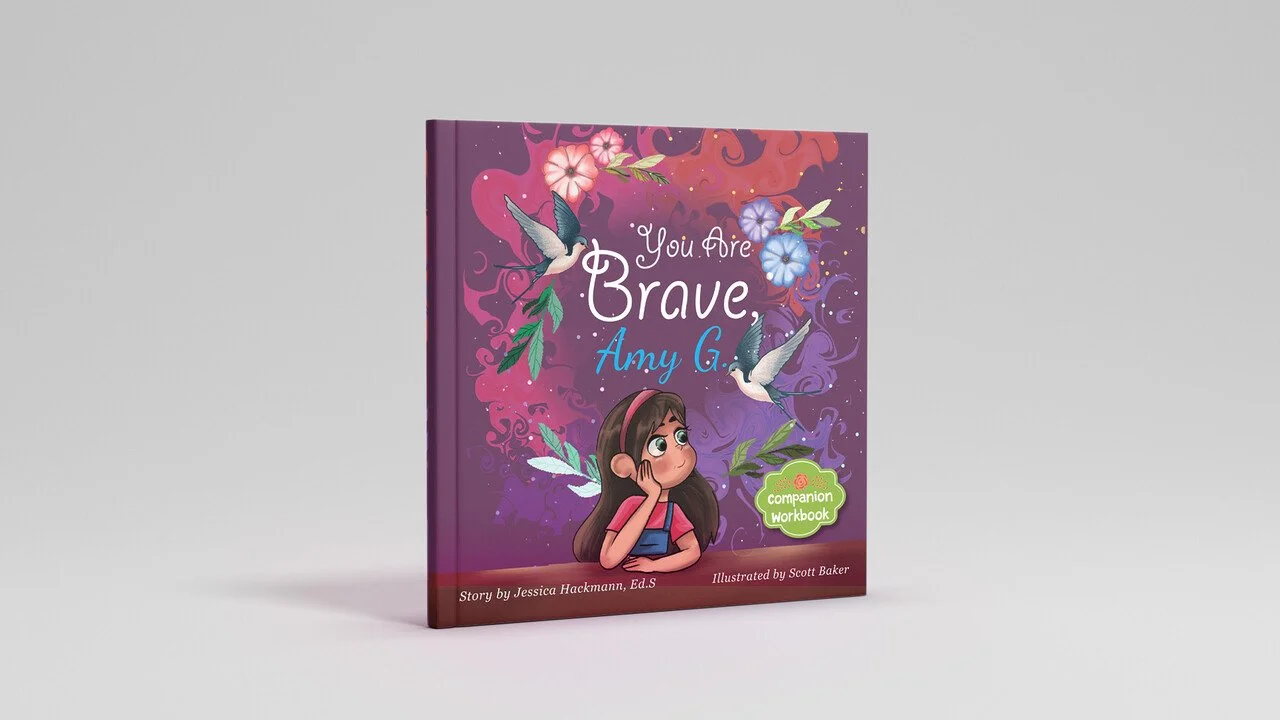
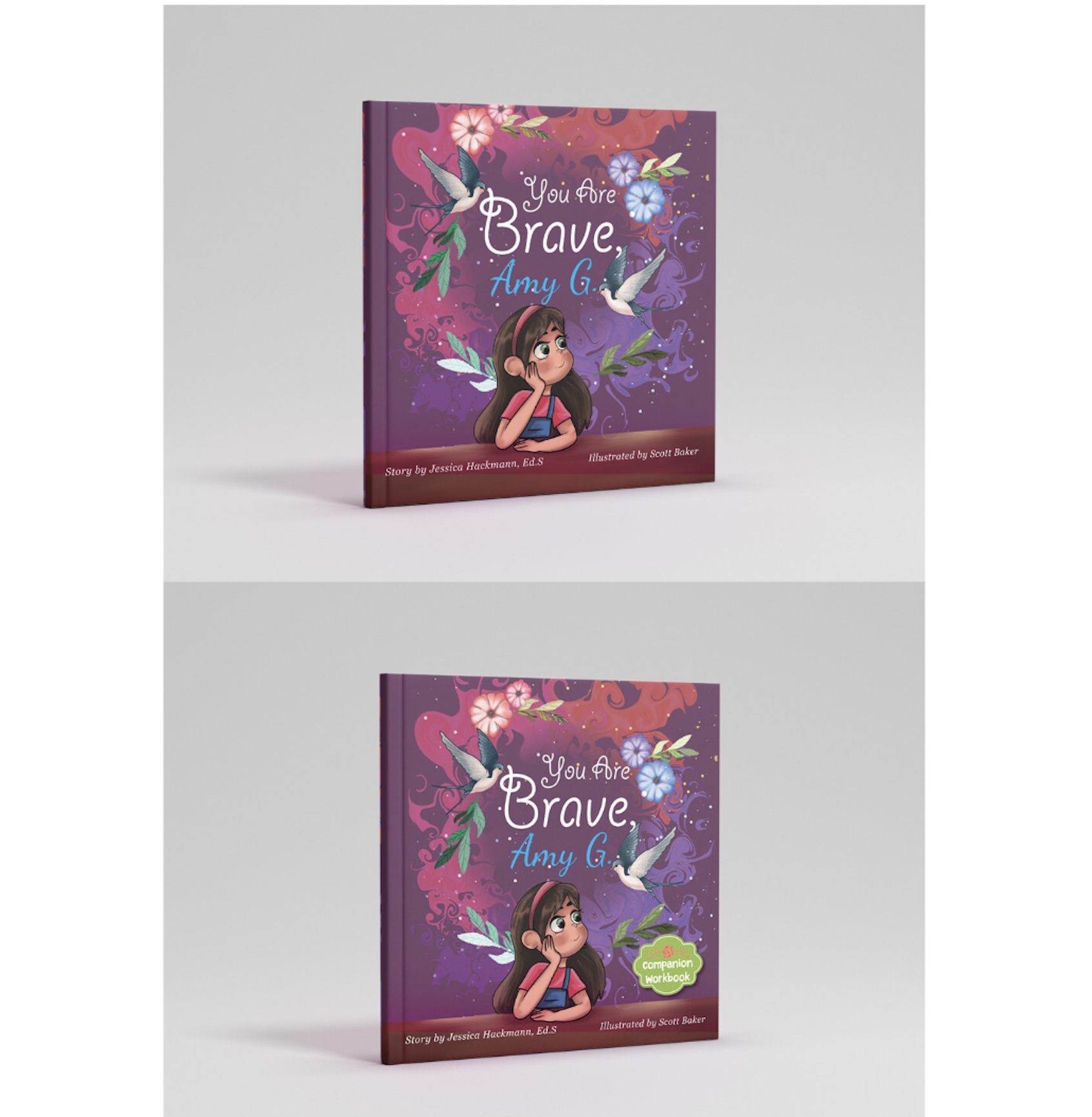
Best Value: Grab the Book Bundle to get both the story book and Companion Workbook together at a savings — everything you need to turn story time into skill-building time.
FAQs
What age group is You Are Brave, Amy G. written for?
1
The picture book is written for children ages 4–10, but the themes of emotional awareness, calming strategies, and bravery resonate with readers of all ages. Parents, teachers, and therapists have shared that it opens meaningful conversations with older kids and teens, too.
Can the Companion Workbook be used without the book?
2
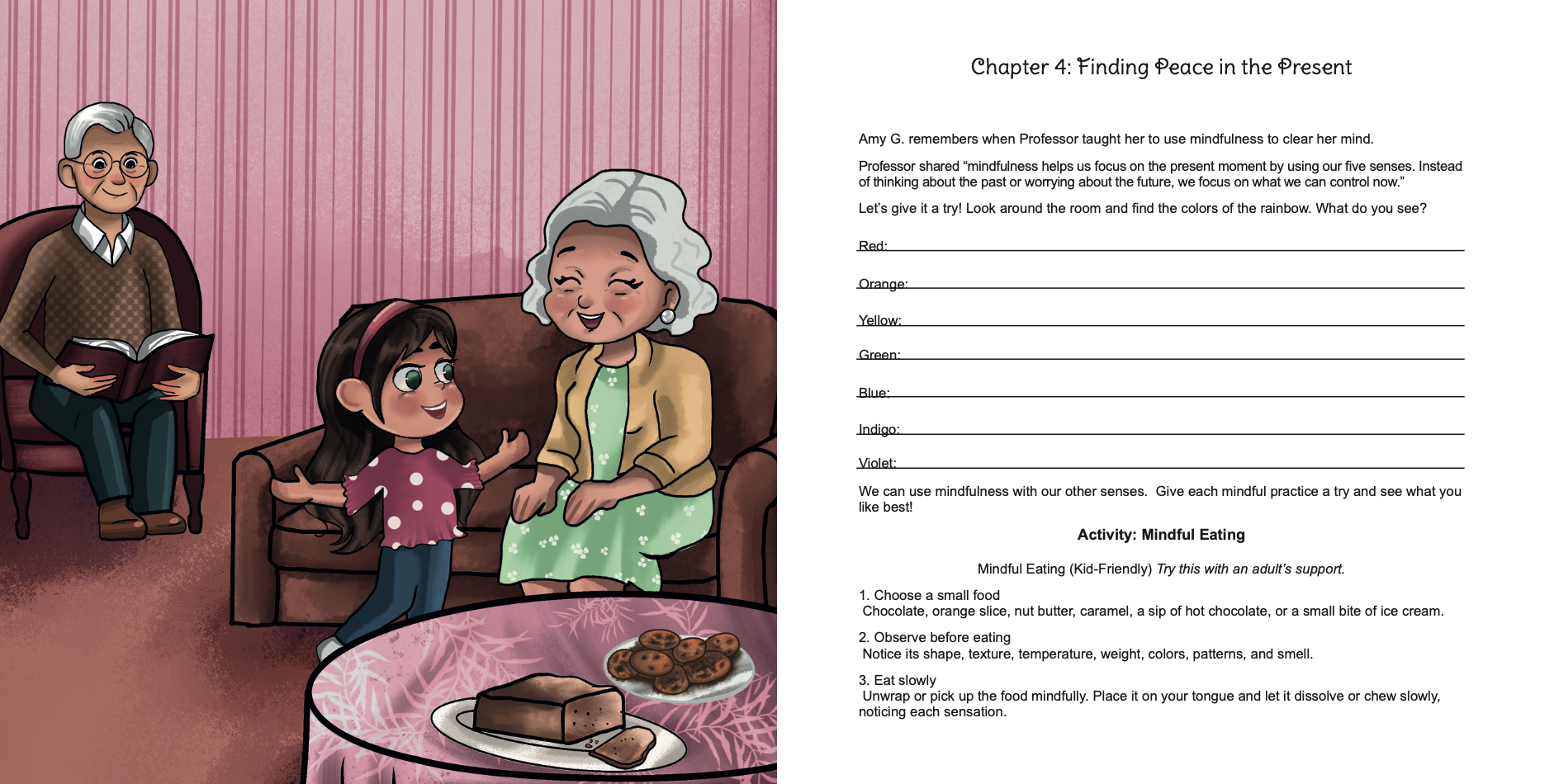
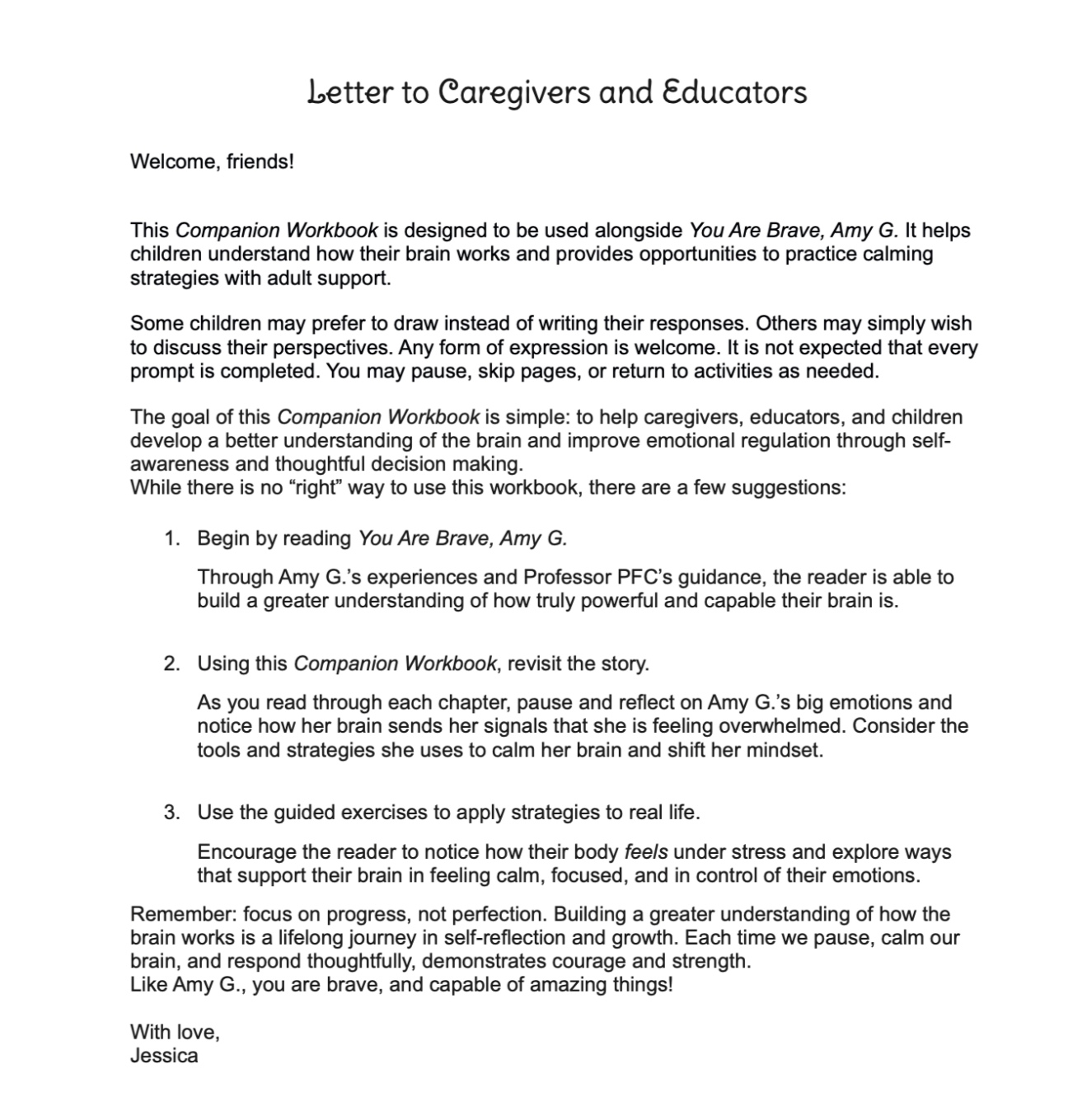
The Companion Workbook is designed to pair with You Are Brave, Amy G., and references characters and scenes from the story. For the best experience, we recommend using them together — that’s why the Book Bundle is such a great value.
Do you offer bulk pricing for schools or organizations?
3
Yes! If you’re looking to purchase copies for a classroom, school library, counseling office, or school-wide SEL program, reach out directly at jessica@braveconnectionscoaching.com to discuss bulk order options and pricing.
How is this book different from other children’s books about feelings?
4
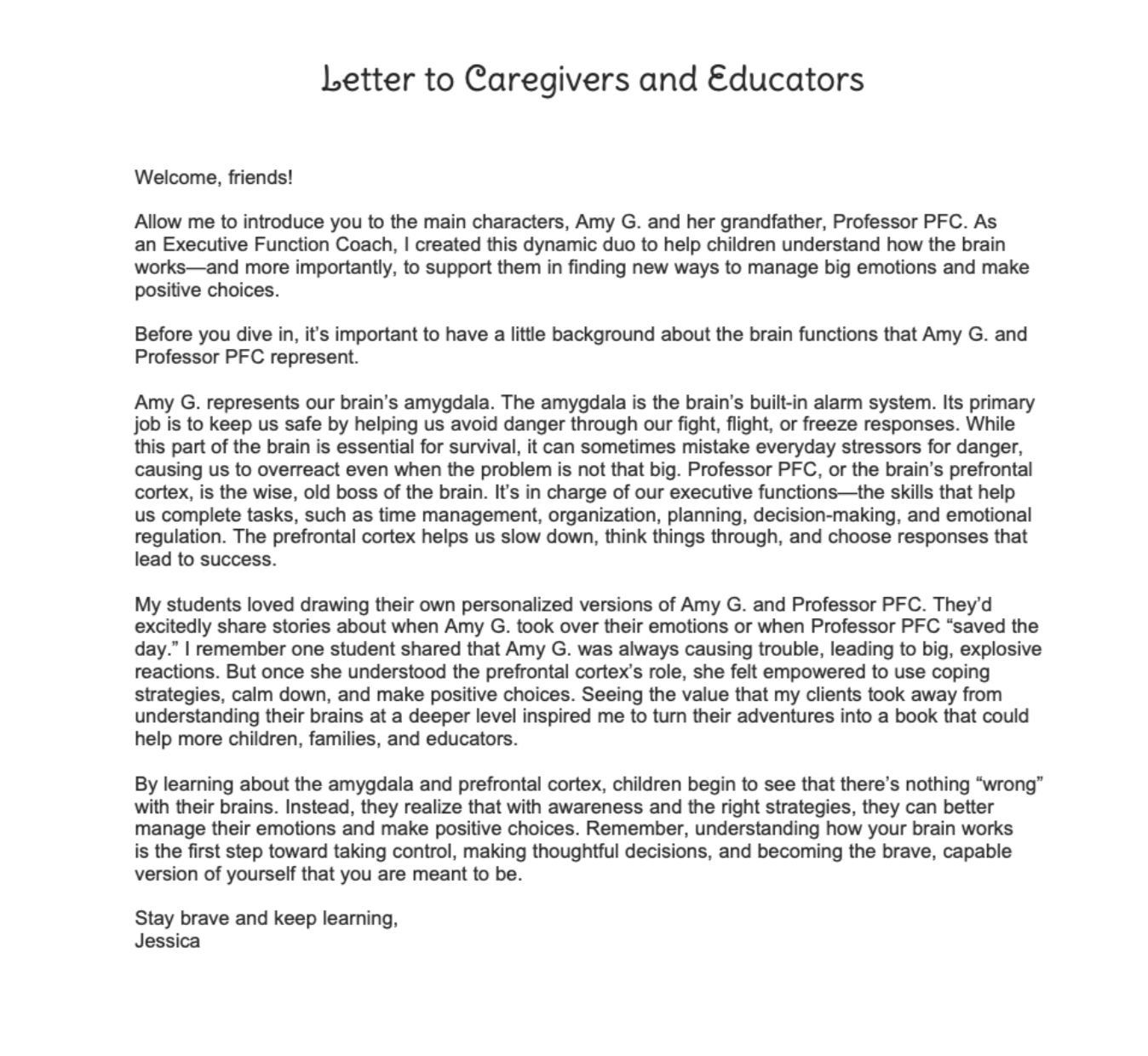
You Are Brave, Amy G. goes beyond naming emotions. It teaches children how their brain responds to stress — including the role of the amygdala and prefrontal cortex — and gives them concrete calming strategies they can use in real life. It’s written by a school psychologist and executive function coach, so the strategies aren’t just comforting — they’re research-based.
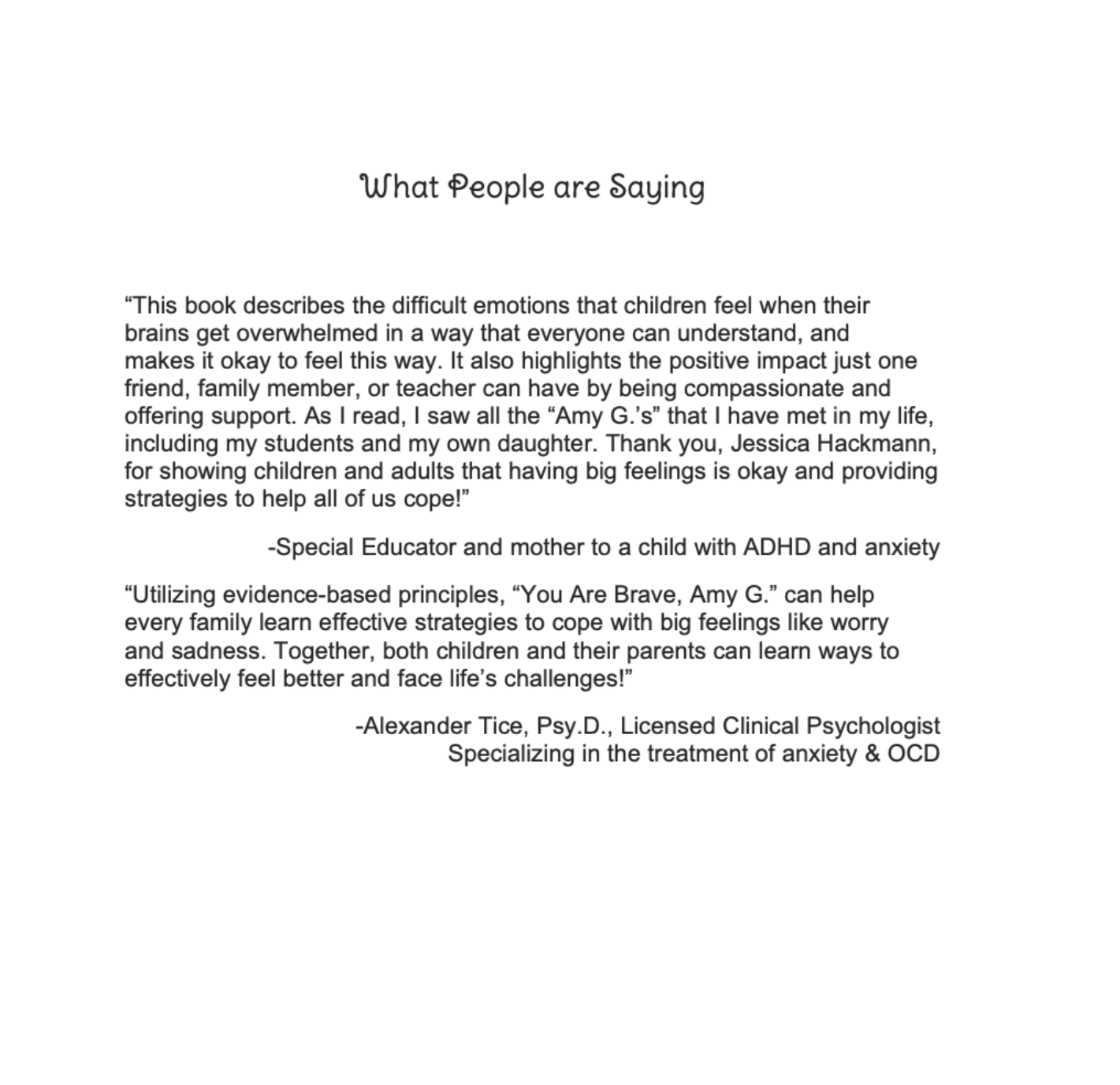
"An excellent resource for teaching research-based coping skills in a way that feels relatable and fun. As a therapist, I would absolutely use this with younger clients who struggle with big emotions."
-Chris H., Therapist