Helping Kids Understand Their Brain and Big Feelings
When children learn why they feel the way they do, they gain the power to make brave choices.
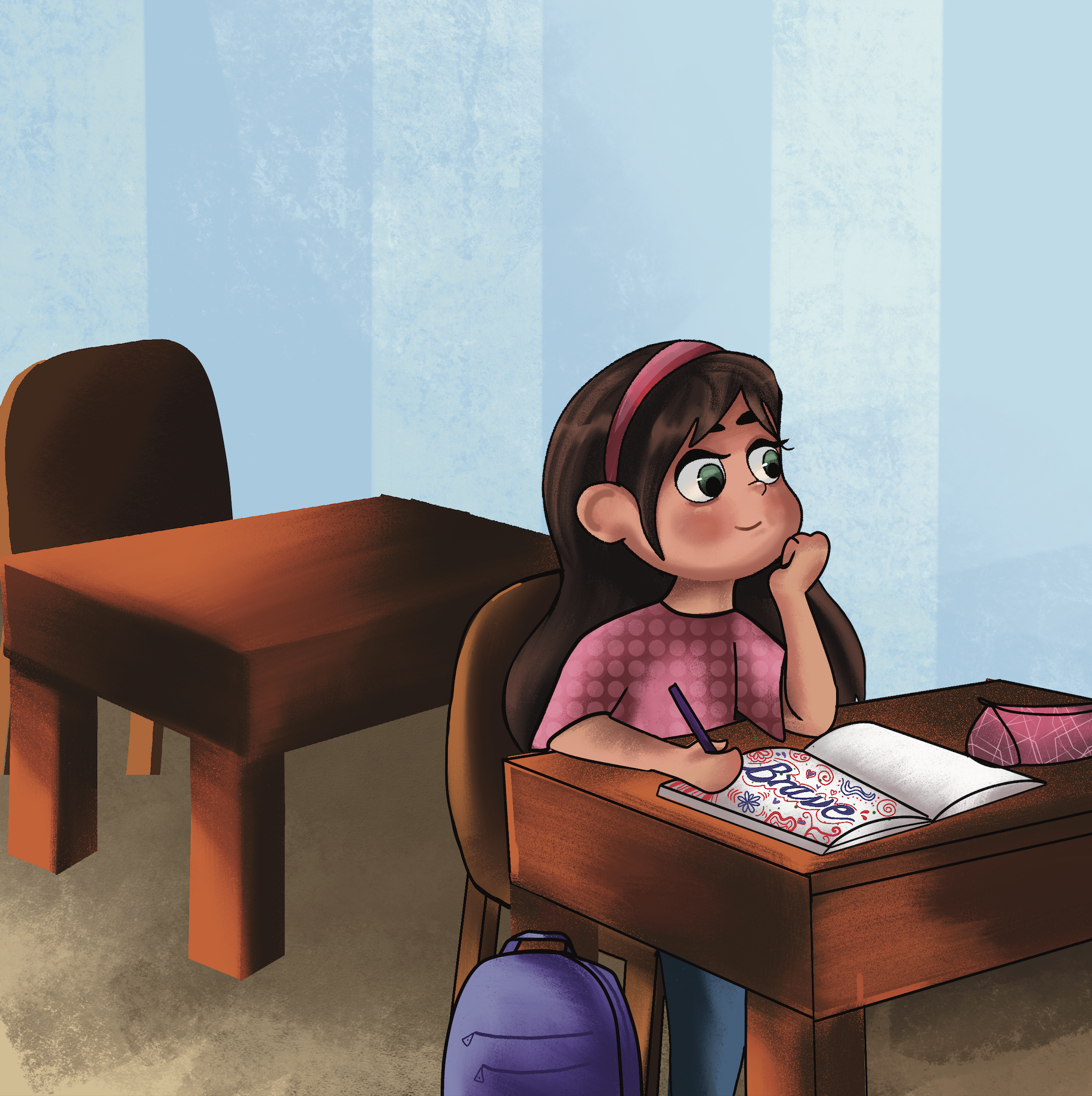
Brain-Based Learning
You Are Brave, Amy G. introduces children to the connection between their brain, their body, and their emotions.
Grounded in brain-based learning, the story helps kids recognize what emotions feel like — not just in their thoughts, but in physical signals like tense muscles, a racing heartbeat, or shallow breathing.
Children also learn that there's no single "right" way to react, because every brain and body responds differently. By building this awareness in a developmentally appropriate way, the book gives children a foundation for emotional regulation, self-advocacy, and confidence.
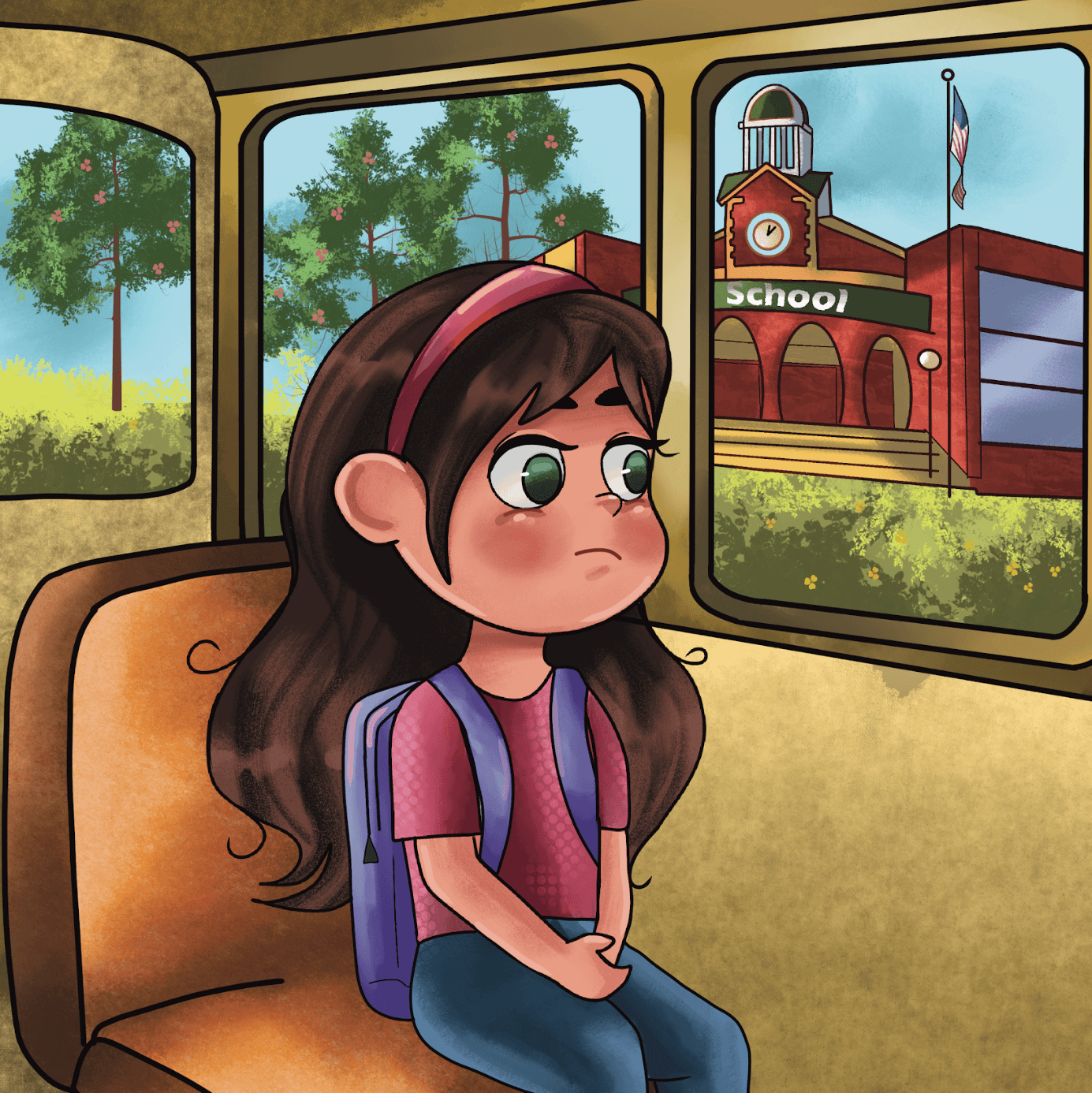
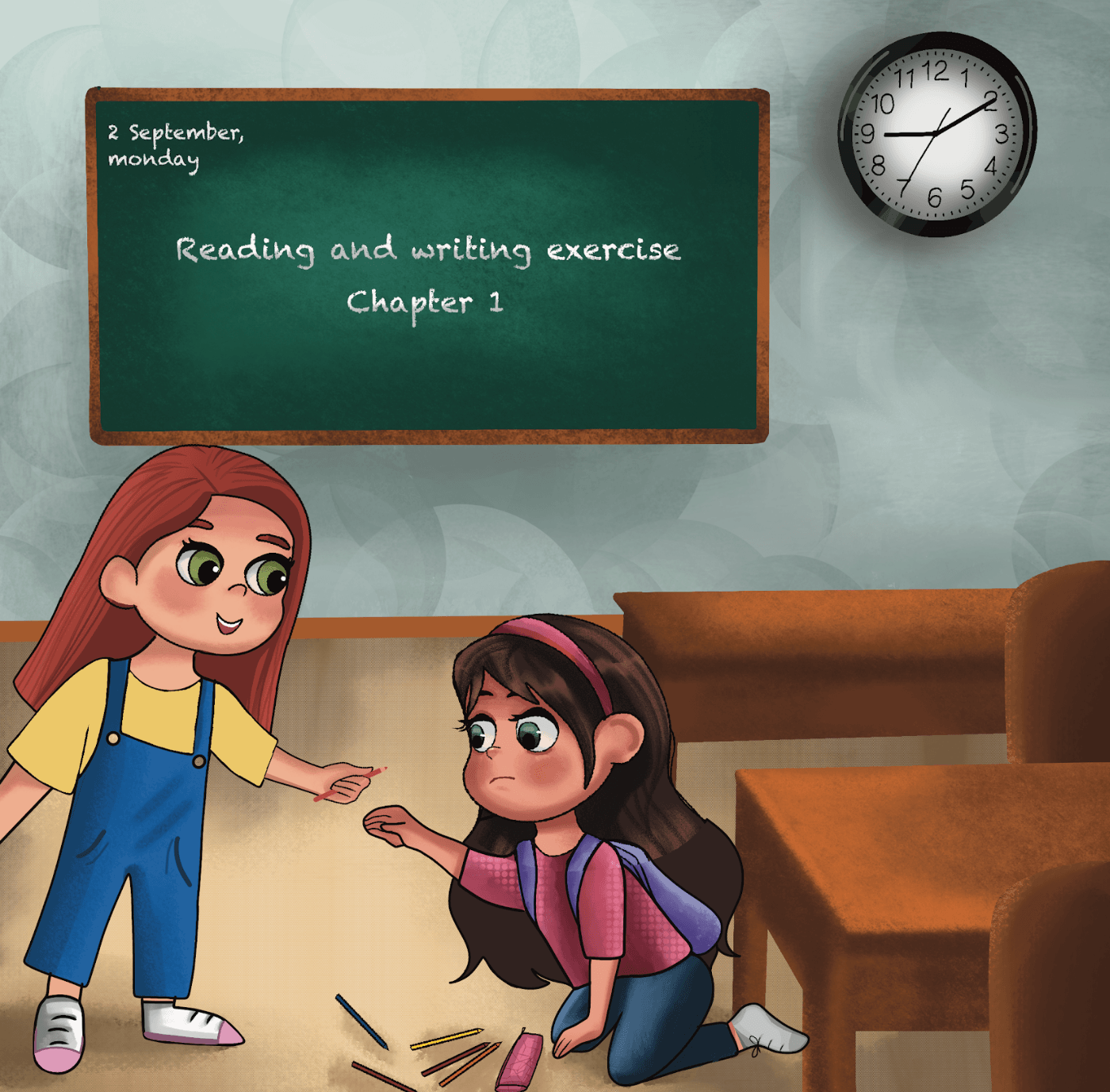
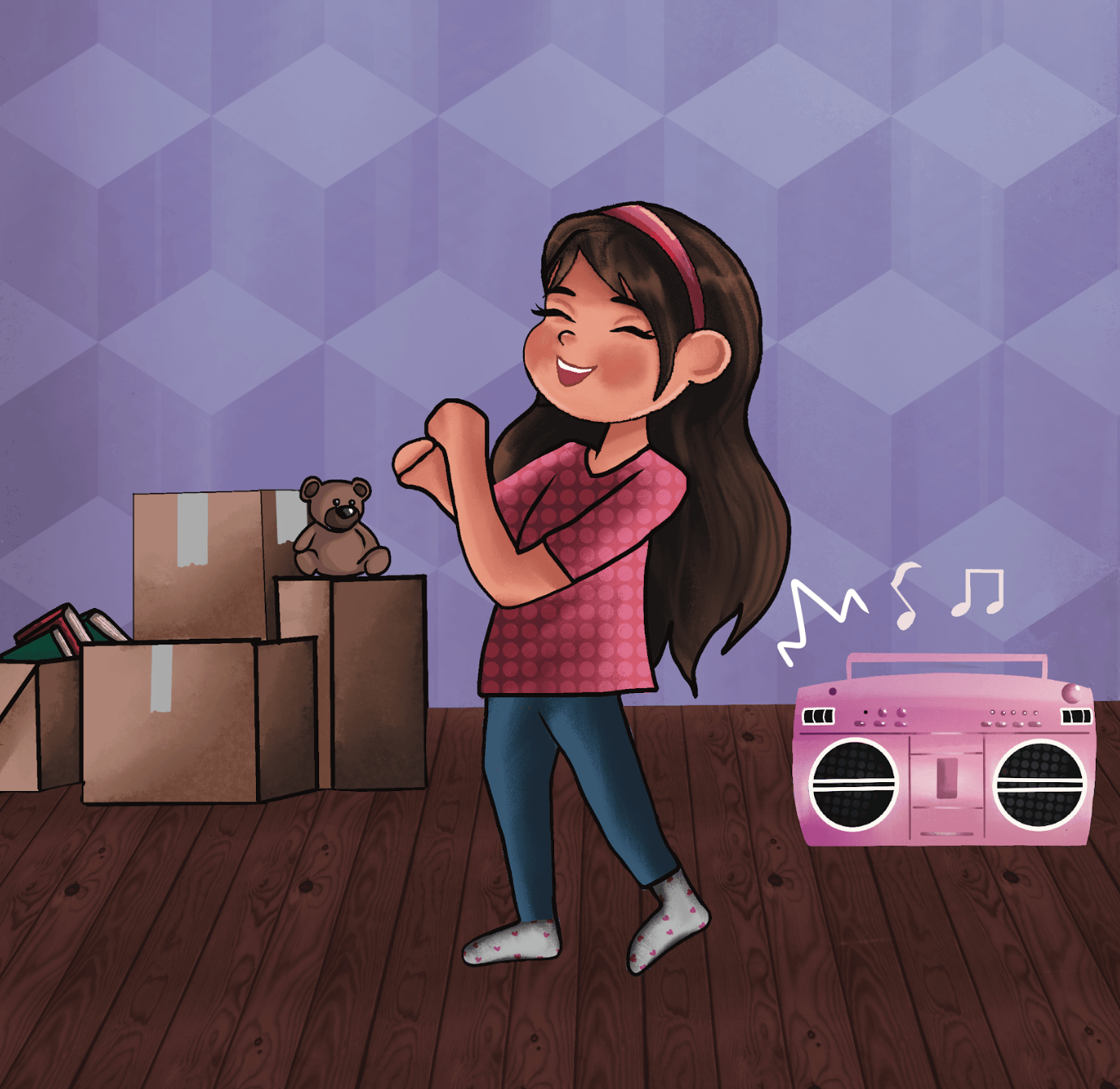
The strategies in You Are Brave, Amy G. aren't just feel-good ideas — they're grounded in peer-reviewed research on how children's brains process emotions.
See the research behind this approach:
-
Research shows that the amygdala (our brain's alarm system) and prefrontal cortex (our thinking brain) work together to regulate emotions — and this connection develops throughout childhood. Studies have found that children who learn to engage their prefrontal cortex show decreased amygdala activation and better emotional regulation over time.
Source: Martin, R. E., & Ochsner, K. N. (2016). The neuroscience of emotion regulation development: Implications for education. Current Opinion in Behavioral Sciences, 10, 142–148.
-
A 2025 systematic review of studies on children and teens ages 6–18 found that diaphragmatic breathing significantly reduced stress, anxiety, and depression — even in healthy children without clinical anxiety. Researchers concluded it's an effective tool for both school and clinical settings.
Source: Papageorgiou, K., et al. (2025). The Effect of Diaphragmatic Breathing as a Complementary Therapeutic Strategy in Stress of Children and Teenagers 6–18 Years Old. Children, 12(1), 59.
-
The 5-4-3-2-1 grounding technique (using your five senses to anchor in the present moment) has been shown to reduce anxiety by redirecting attention from internal stress to external sensory input. A 2025 study found that people using this technique saw high anxiety prevalence drop from 23% to just 4%.
Source: Teaching and Learning in Nursing (2025). Ground Yourself: Using Five Senses Technique to Cope with Anxiety.text goes here
-
A 2024 meta-analysis of 32 studies involving 3,640 children ages 6–12 found that mindfulness-based interventions significantly improved attention, emotional regulation, positive self-image, and social skills.
Source: Kander, T. N., Lawrence, D., Fox, A., Houghton, S., & Becerra, R. (2024). Mindfulness-based interventions for preadolescent children: A comprehensive meta-analysis. Journal of School Psychology, 102, Article 101261.
What People Are Saying
“Great examples of calming strategies, presented in such relatable situations, that are easy for young ones to understand. The calming strategies (slow and deep breathing, grounding, drawing/coloring, and exercising/dancing) can be used by anyone, even adults. This would be a great addition to any elementary school class teaching Social-Emotional Learning lessons or as a Social Story for Emotional Regulation.”
Stephanie Seelinger MS CCC/SLP
Speech-Language Pathologist
As a School Psychologist, I am always looking for new and creative ways to supplement counseling sessions with my kiddos. This book is a wonderful tool to use just for that! Easy for kids to understand, and lots of great strategies built into the book that lend themselves to extended lessons and discussion. Well done!
Steven F. Smith, School Psychologist
“You Are Brave, Amy G. successfully addresses some of the most difficult childhood experiences - anxiety and fears. Amy learns from her trusted grandfather (a professor) how to read the signs of anxiety and find ways to calm herself. This story is both charming and accurate—a hard combination to achieve! Jessica Hackmann created a character who is authentic and gives us hope that we can find ways to be brave in our own lives.”
Paula Moraine, M.Ed., Author
Who Can Benefit
-
![Parent reading emotions book with child]()
Families
Parents and caregivers seeking a gentle way to discuss emotions, confidence, and resilience with their children.
-
![Teacher using social emotional learning book in classroom]()
Educators and Schools
Teachers, counselors, and school psychologists supporting social-emotional learning and executive function development.
-
![Therapist using children's book in counseling session]()
Therapists and Coaches
A meaningful tool for counseling sessions, coaching work, and small-group skill building with kids.


Frequently Asked Questions
-
Ages 4–10. Younger children enjoy it as a read-aloud; older kids connect with the brain science.
-
Yes! Many counselors and teachers use it for SEL lessons and small groups. The Companion Workbook serves as a great tool to support small groups.
-
It explains why the body reacts to stress — not just what to do about it.
-
Yes! The book tells the story, and the Companion Workbook makes it personal. Children can practice the calming strategies Amy G. learns — like deep breathing and grounding — and apply them to their own big feelings and experiences.